Finding Your Next Notebook: A Guide to Trusted Writing Journals
Why the Right Notebook Matters
After twenty years of filling notebooks with everything from grocery lists to novel drafts, I have learned one thing: the tool shapes the practice. A flimsy spiral-bound pad that falls apart in your bag will discourage writing. A stiff, hardcover book that refuses to lie flat will frustrate your flow. But a notebook that feels good in the hand, that accepts ink without bleeding, that stays open to the page you left off on - that notebook becomes a partner in the process. Over time, you develop a shortlist of trusted writing journals, the ones you return to again and again because they simply work.
This is not a review roundup full of affiliate links. It is a field guide based on real use: what holds up, what falls short, and what matters when you are choosing a journal for actual writing. Whether you keep a daily diary, sketch out story ideas, or practice morning pages from The Artist's Way by Julia Cameron, the right notebook makes the habit easier. Let's walk through the options that have earned my trust over many years.
Paper Quality Comes First
The single most important factor in any notebook is the paper. You can love the cover, the binding, the size, but if the paper bleeds, feathers, or ghosts so badly that the reverse page is unreadable, you will stop using it. I have abandoned expensive notebooks for exactly this reason.
Tomoe River paper is the gold standard for fountain pen users. It is thin, lightweight, and coated in a way that lets ink sit on the surface rather than soaking in. The result is vivid sheen and shading with almost no bleed-through. The Hobonichi Techo uses Tomoe River paper, and that is why it has a cult following among planners and journal writers. The paper is so thin that you can see ghosting - the shadow of writing on the other side - but it rarely bleeds. You get a lot of pages in a small book. If you use a Lamy Safari or any fountain pen, this paper will show off the ink's character better than almost anything else.
Rhodia uses a different but equally excellent paper: Clairefontaine, which is smooth, bright white, and friendly to almost every pen. The Rhodia Webnotebook has a soft cover and lies flat. I have used it for years for first drafts and note-taking. It handles the Pilot G2 and the Uni-ball Jetstream with no trouble at all. The paper is thicker than Tomoe River, so there is less ghosting. It feels more substantial in the hand. If you write with ballpoints or gel pens, Rhodia is a safe choice.
Hardcovers vs. Softcovers vs. Spiral
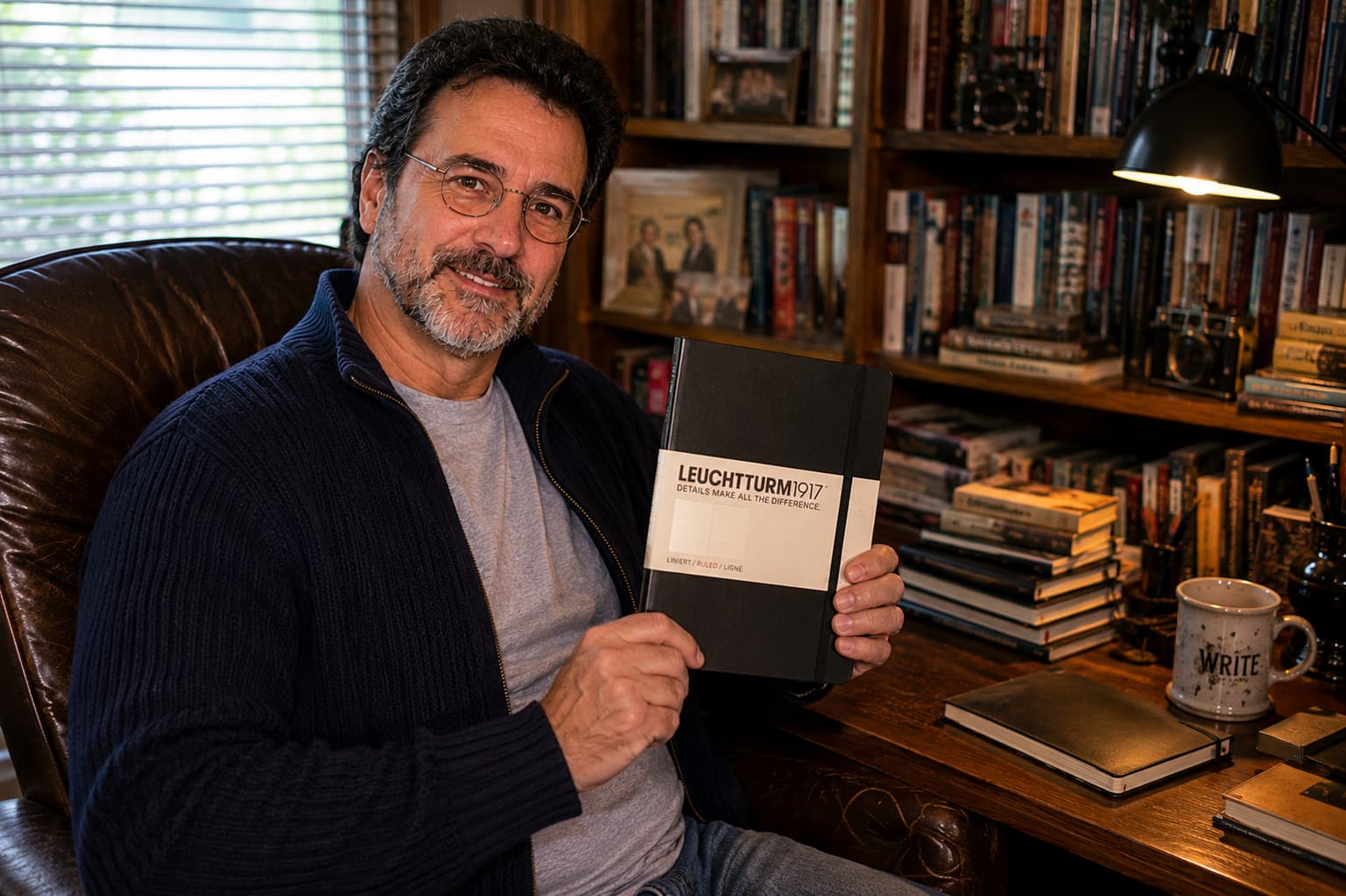
This is partly personal preference and partly practical need. I keep a hardcover Leuchtturm1917 on my desk at home. It sits upright on a shelf, takes a beating in a bag, and the pages stay flat because of the thread-bound lay-flat construction. Leuchtturm1917 notebooks come with numbered pages, a table of contents, and two ribbon bookmarks. They are excellent for bullet journaling or for any project that needs structure. The paper is good, not great - it handles most pens well but shows some ghosting with wetter fountain pens. I would call it a solid everyday choice.
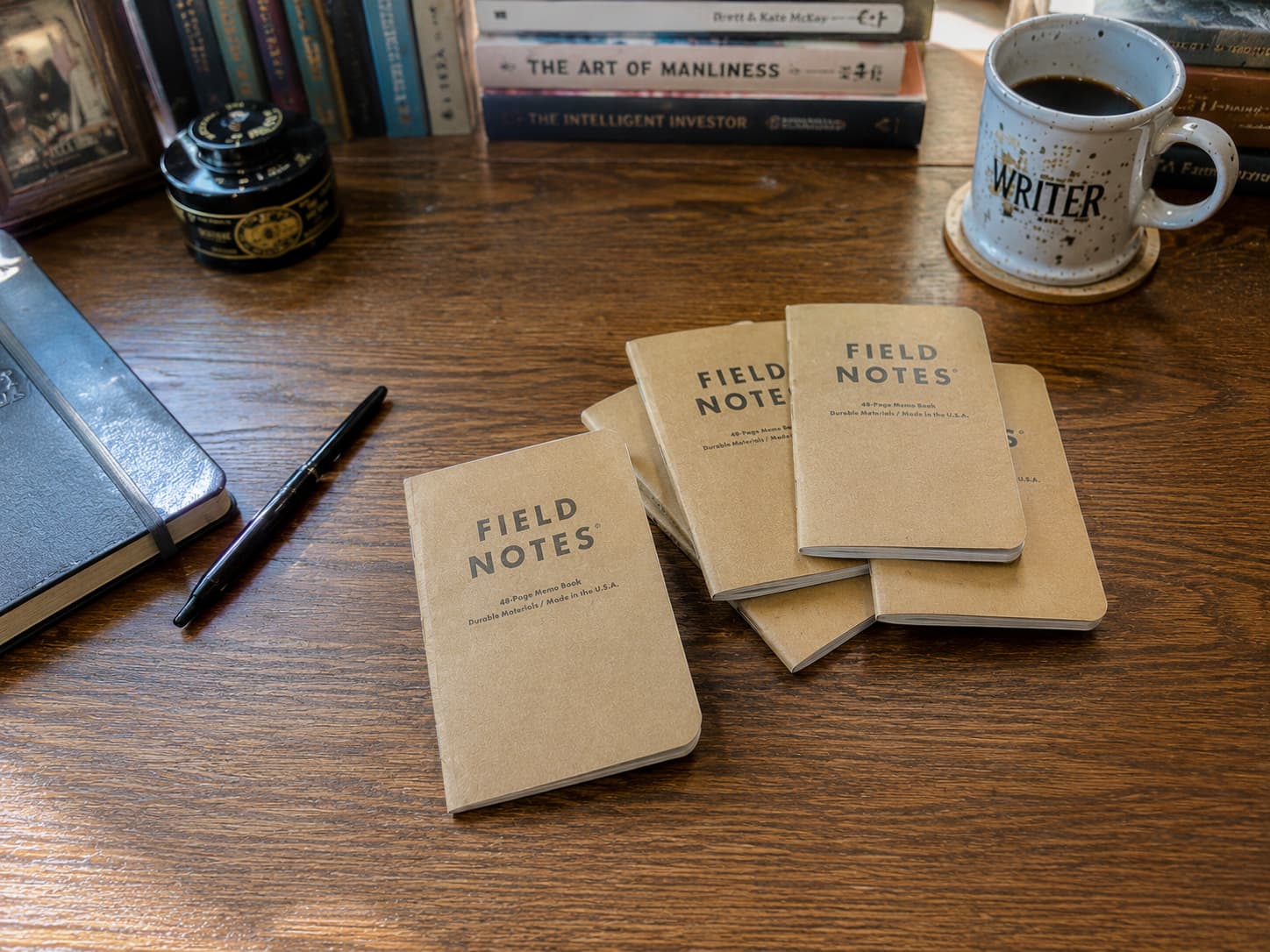
When I am traveling or working in a coffee shop, I prefer a softcover Field Notes notebook. They are small, cheap, and disposable in the best sense. Field Notes use a variety of papers depending on the edition, but the standard Kraft paper holds up fine for ballpoints and pencils. I carry one in my back pocket for quick notes, ideas, and to-do lists. They are not for long-form writing, but they are perfect for capturing a thought before it vanishes. The brand has a strong following and you can find special editions on Etsy and other marketplaces.
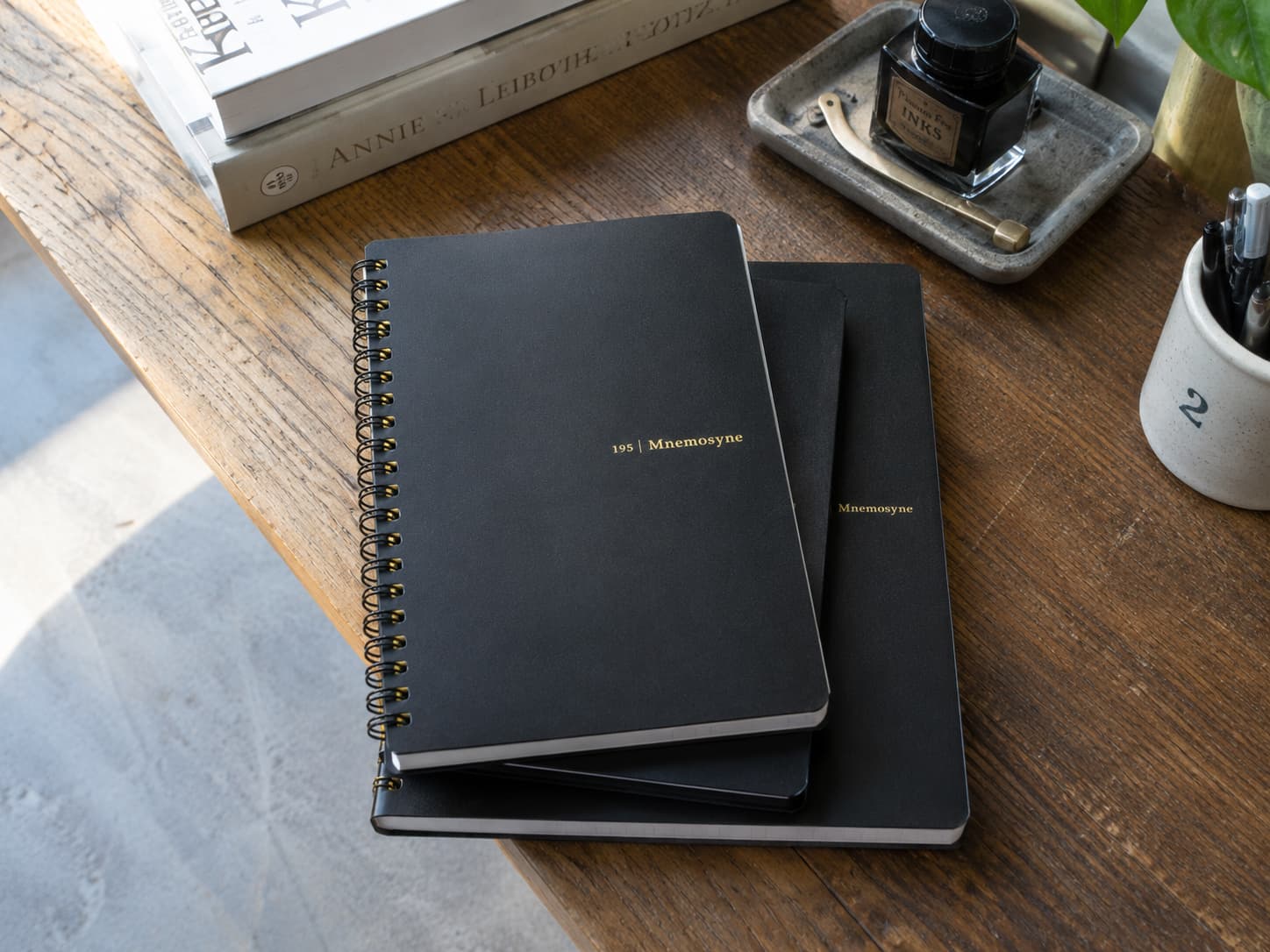
Midori MD notebooks are a different animal. They come in both cotton and paper covers, and the binding is simple and elegant: thread-stitched, with no bulky spine. The paper is a cream-white that feels soft and warm. Fountain pens glide over it. The Midori MD is a favorite for those who want a minimal, distraction-free writing experience. It does not have numbered pages or a pocket or any frills. Just paper and ink. That simplicity can be exactly what you need when you are trying to focus on the words, not the notebook.
Size and Portability
I have made the mistake of buying a beautiful A4 hardcover notebook and then never taking it anywhere because it was too big for my bag. Size matters. The most-used notebooks in my collection are A5 or smaller. The Hobonichi Techo comes in an A6 size that fits in a jacket pocket. The Leuchtturm1917 in A5 is my standard for daily journaling. The pocket-size Field Notes are always with me. If you are choosing a notebook, think about where you will actually write. At a desk? A large hardcover is fine. On the train, in bed, at a cafe? Go smaller.
Another factor is how the notebook opens. Some hardcover notebooks do not lie flat until you have broken the spine. The Moleskine classic is notorious for this - it takes weeks of use before it stops trying to close on your hand. Moleskine notebooks are iconic and widely available on Amazon and in bookstores, but the paper quality has declined over the years. I have found that many modern Moleskine notebooks bleed with fountain pens and even some gel pens. If you are a fountain pen user, I would steer you toward Rhodia or Leuchtturm1917 instead. For ballpoint and pencil users, Moleskine is fine, but there are better options at the same price.
Prompts, Practices, and Breaking Through Writer's Block
A good notebook is only half the equation. The other half is actually writing in it. Writer's block hits everyone, and staring at a blank page in a beautiful journal can be intimidating. That is where journaling prompts come in. I keep a list of prompts in the back of my Leuchtturm1917. Simple questions like "What surprised me today?" or "What did I avoid doing?" can get the ink moving. Julia Cameron's The Artist's Way popularized the practice of morning pages: three pages of stream-of-consciousness writing done first thing in the morning. The goal is not to produce good writing but to clear the mind. I have done morning pages on and off for years, and I find they work best when I use a notebook that I am not afraid to fill with messy, unpolished thoughts. That is why I keep a separate, less expensive notebook just for morning pages - a Rhodia staplebound pad or a stack of loose Tomoe River paper in a simple cover.
Bullet journaling is another method that turns a notebook into a productivity system. The original bullet journal method was designed for a Leuchtturm1917, but it works in any grid or dot-grid notebook. The key is the index and the rapid-logging system. I have used bullet journals for project planning, habit tracking, and even writing logs. The structure helps when you feel overwhelmed. You can find endless bullet journal ideas on Etsy and Instagram, but the core is simple: a notebook, a pen, and a willingness to write down what matters.
Pen and Ink: The Other Half of the Equation
You cannot talk about notebooks without talking about what writes in them. The Lamy Safari is my go-to fountain pen for everyday writing. It is durable, affordable, and takes a converter or cartridge. The grip is comfortable for long sessions. The Pilot G2 is the best gel pen I have used for quick, smooth writing that dries fast. The Uni-ball Jetstream is a hybrid ballpoint that combines the smoothness of gel with the permanence of oil-based ink. It is excellent for left-handed writers because it dries almost instantly. All three of these pens work well on the papers mentioned above, though the Pilot G2 can ghost a little on thin Tomoe River paper.
If you are new to fountain pens, start with a Lamy Safari and a bottle of ink. Write a few pages in a Rhodia or Midori MD notebook. The experience is different from a ballpoint - the ink flows with almost no pressure, and your handwriting changes. It becomes looser, more expressive. That can be a good thing if you tend to grip the pen too tight. Handwriting is a physical skill, and the right tools make it easier and more enjoyable.
Building Your Own Shortlist
I do not think there is one perfect notebook for every writer. The best approach is to test a few and see what fits your habits. Here is a quick guide based on what I have seen work for different writers:
- If you use fountain pens and want to see ink shading: try a notebook with Tomoe River paper, like the Hobonichi Techo or a Midori MD.
- If you need structure for bullet journaling or project planning: get a Leuchtturm1917 with numbered pages and a table of contents.
- If you want a durable, no-fuss notebook for everyday notes: the Rhodia Webnotebook or a Field Notes pocket book are reliable.
- If you are doing morning pages or freewriting and need a cheap, no-pressure option: a Rhodia pad or a stack of loose Tomoe River paper in a simple cover works well.
- If you are just starting out and want to try without spending much: a Moleskine cahier or a basic spiral notebook from a drugstore can get you going. Upgrade later when you know what you like.
The Value of Trusted Writing Journals
Over the years, I have accumulated a shelf of notebooks that I reach for depending on the project. Some are half-finished, some are full. A few are so worn that the covers are falling off. But each one represents a period of writing, a time when I sat down and put words on paper. The physical object matters less than the act of writing itself, but a good notebook removes friction. It does not fight you. It lies flat, accepts your ink, and stays closed when you want it closed. That reliability builds over time into a set of trusted writing journals that you return to again and again.
If you are looking for your first quality notebook, I would start with a Leuchtturm1917 in A5 or a Rhodia Webnotebook. Both are widely available, reasonably priced, and handle a range of pens. From there, you can explore the world of fountain pens, different paper textures, and the many small makers on Etsy who produce handmade notebooks. The journey is part of the pleasure. And in the end, the best notebook is the one that makes you want to write.